Originally published on WARC, 6 August 2026.
Today's social media landscape is evolving rapidly. Branded content on social media is increasingly becoming what TV commercials once were: pure advertising inventory with a modern twist. Branded content created today is starting to lose genuine engagement and is instead becoming a modern media space, no different from out of home billboards or traditional TV spots. As audiences become more aware of branded and sponsored content, trust in social media brand messaging continues to decline. Consumers are now far more discerning, often approaching branded social content with scepticism and an immediate "swipe to skip."
Brands today need to fix their story and marketing content instead of simply hiring more influencers. Gone are the days when more influencer content guarantees more engagement. Instead, the bulk of your content is simply added to the sea of skipped posts. Unlike TV, it doesn't even play in the background.
As consumer behaviour shifts, brands must evolve even faster to recapture attention. The standard for content has fundamentally changed. Capturing attention today requires a significantly higher level of quality and originality. Effort can no longer be concentrated solely on execution. It must be embedded early in the ideation process and carried through rigorously during the approval phase. Every piece of content now competes not just with other brands, but with the entire internet's attention economy.
The peer-to-peer dynamic has changed
There has been a fundamental shift in peer-to-peer sharing dynamics and consumer psychology, rather than just an isolated social media phenomenon. Sharing content is the new way consumers interact with their friends and family. What used to be an isolated activity, scrolling in the comfort of home or on a commute, has now become one of the most socially rewarding activities. Users can share jokes, information, and excitement with a single click.
Sharing is the new love language, an intentional act of thoughtfulness.
In Germany, a boy was reported missing by his friend after receiving no reels from him for two days. Some say attention spans are low; now, communication happens without typing a single word.
When content is built with that behaviour in mind, it begins to work harder for the brand. Distribution becomes audience-led rather than media-led. Engagement becomes organic rather than forced. The most effective content today is no longer what people consume, but what they feel compelled to share. This is what I call content that is relentlessly shareable.
The Relentlessly Shareable framework
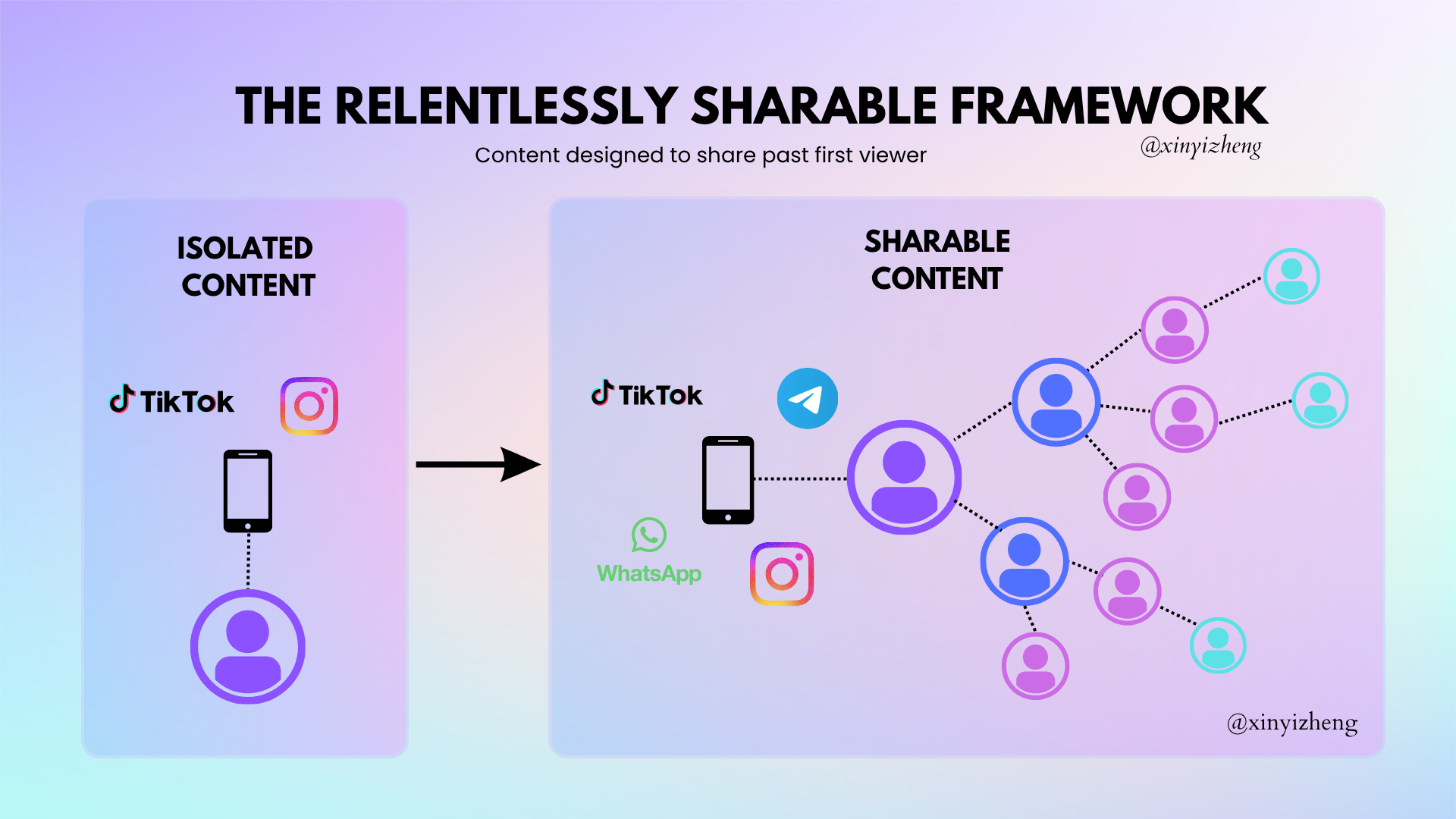
Being relentlessly shareable means creating content designed to travel beyond the first viewer. Much like the concept of "six degrees of separation", strong content should naturally move from one person to another. From three friends to two colleagues, to a sibling, and then onward through an endless chain of sharing and conversation.
There are three core pillars brands can focus on to make their content relentlessly shareable. These are not entirely new frameworks or revolutionary marketing theories. In fact, most brands are already practising them in some form today. The difference lies in the execution. What is needed is not reinvention, but refinement: adding the right creative push to transform ordinary branded content into something audiences genuinely want to share.
Pillar 1: Authentic personality extension
One of the most significant decisions a brand makes involves spending countless hours determining who should become its brand ambassador. Yet, once that decision is reached, many brands immediately begin stripping away the very personality that made the ambassador valuable in the first place. Instead of allowing artists to remain authentically themselves, brands often reshape them into a polished extension of their brand identity.
But consumers do not love these ambassadors because of the brands they represent. They love them because of who they are.
Take, for example, Lisa from BLACKPINK, one of the world's most influential celebrities, with an extraordinary portfolio of brand partnerships. One of her most prominent partnerships is with LVMH. However, much of the content created for these luxury campaigns tends to prioritise the brand's visual identity over Lisa's own personality. While this is understandable given the scale of investment and the need for brand visibility, it often limits the content's shareability. The essence of what audiences genuinely love about Lisa begins to disappear.


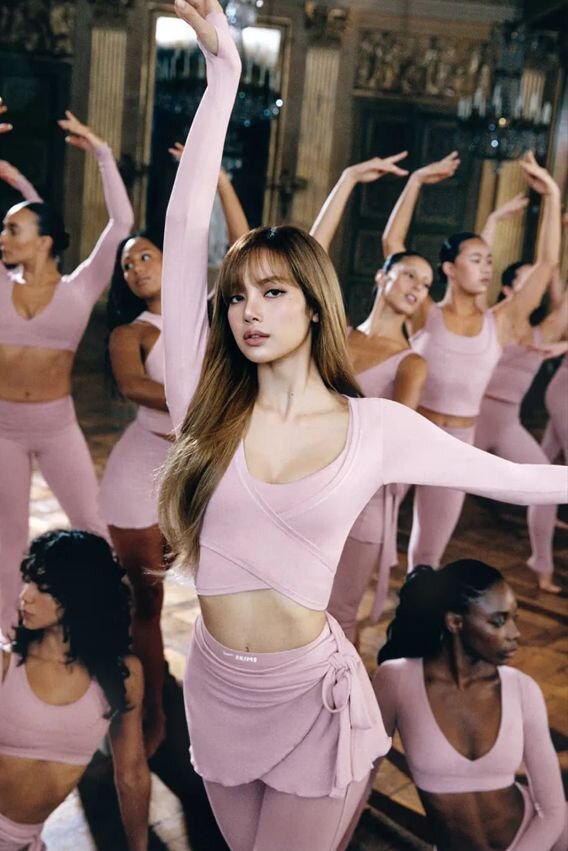
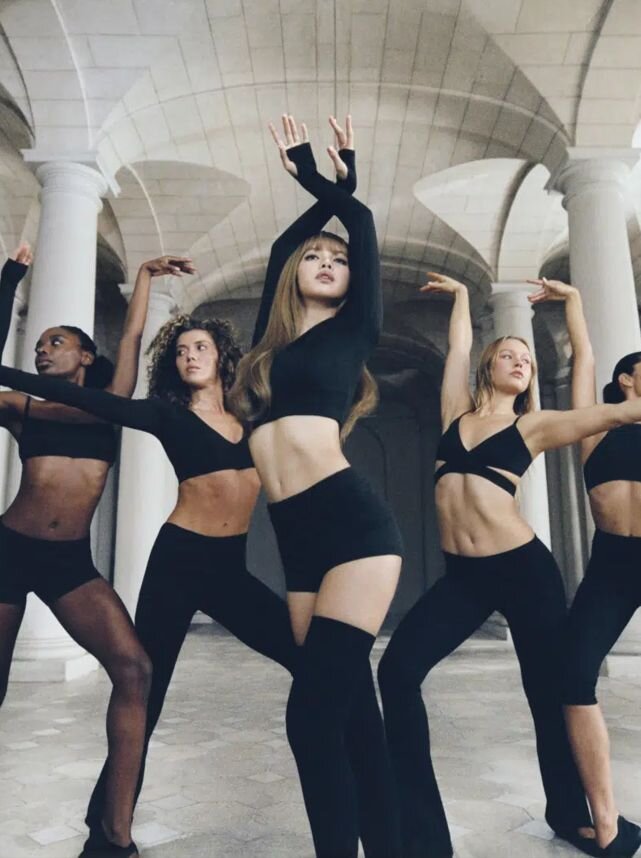
Compare that to her recent collaboration with Nike x Skims. In this content, audiences see Lisa dancing, performing, and expressing the energy that connects her with her fans. Rather than suppressing her identity, the campaign amplifies it. It reminds the audience why they love her beyond the endorsement itself. The result was immediate: fans celebrated the partnership across social media, with many calling it their favourite Lisa brand collaboration.
Let's compare the stats of Louis Vuitton's top post with Lisa vs Nike's one post with Lisa. Nike had 13x as many shares and 7.7x as many likes, and Nike has fewer TikTok followers, with only 8.5m, while Louis Vuitton has 15.9m.
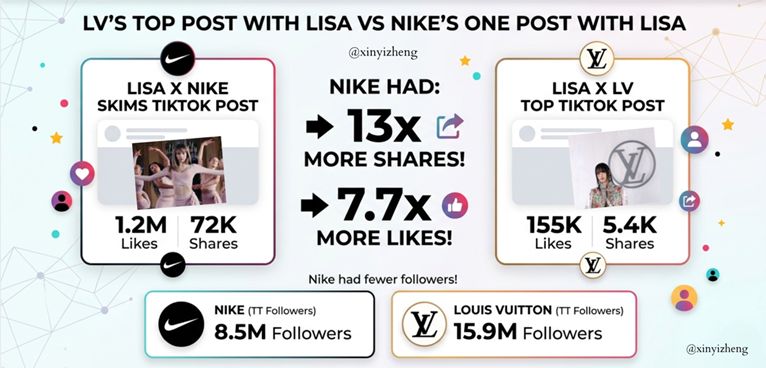
The lesson is clear: the most effective ambassador campaigns are not the ones where the celebrity becomes the brand, but the ones where the brand becomes a natural extension of the celebrity's authentic personality.
Pillar 2: Creating conversations
Brands are already aware that they should be IN conversations and tap into existing trends. However, being IN a conversation is not the same as CREATING one. Posts with generic keywords and visuals are no longer enough. Not when 20 other brands are doing the exact same thing. We must be both relevant and relentlessly shareable. Otherwise, you're just another post users will scroll past.
The recent "KitKat Heist" is a perfect example. The number of brands joining this trend was massive. Everyone was posting about being a part of the heist or creating content around it. While everyone was talking about the event, unless you were the first brand to start this trend, most secondary-branded posts weren't actually shareable.
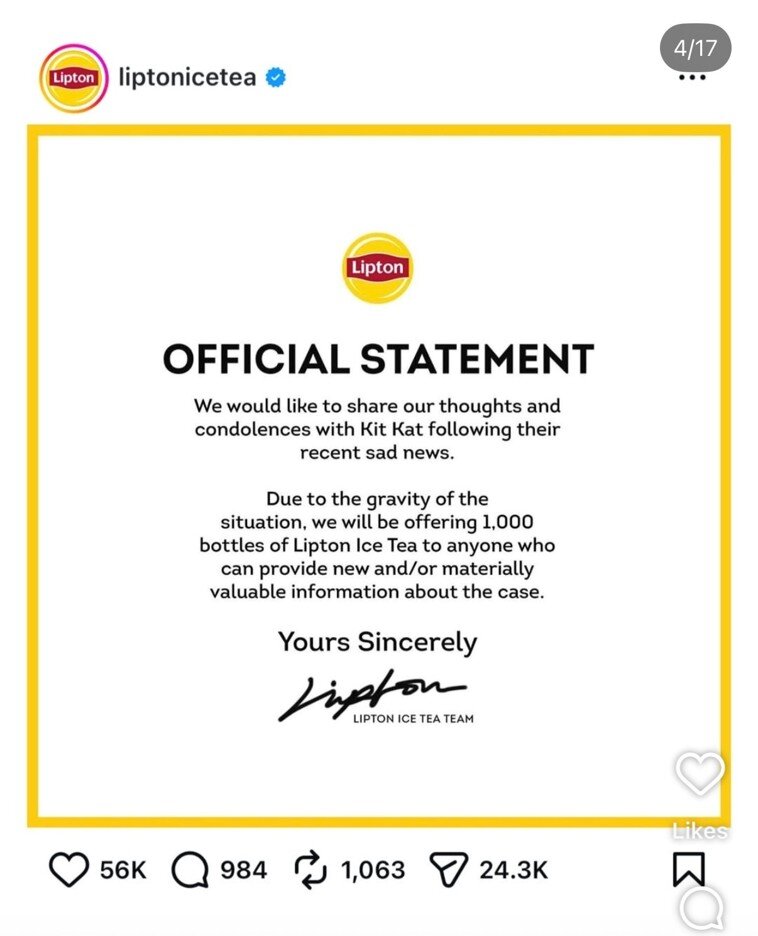
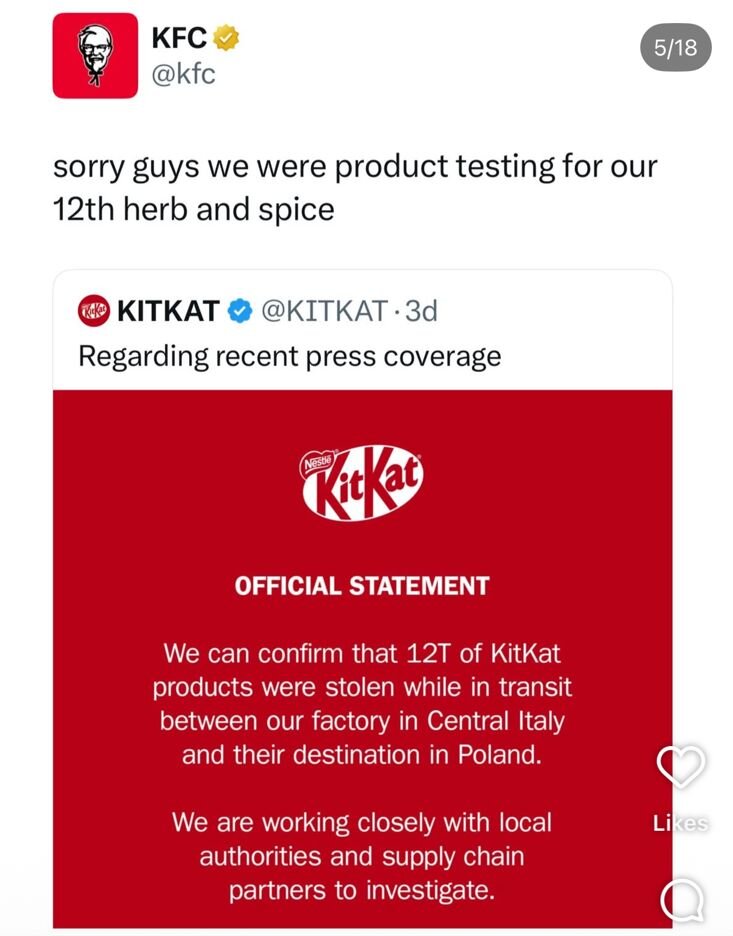
We saw a similar phenomenon with the recent Spotify "disco logo" trend, in which dozens of brands turned their logos into disco-style logos. What's interesting about these attempts to be IN conversations is that the only audience truly enjoying them is the brands themselves. This "success" is reported within the media industry; we see posts all over LinkedIn and trade publications. But actual consumers aren't sharing these disco logos or heist apology letters with their inner circles. It has become a trend among brands, not among the consumers they are targeting.
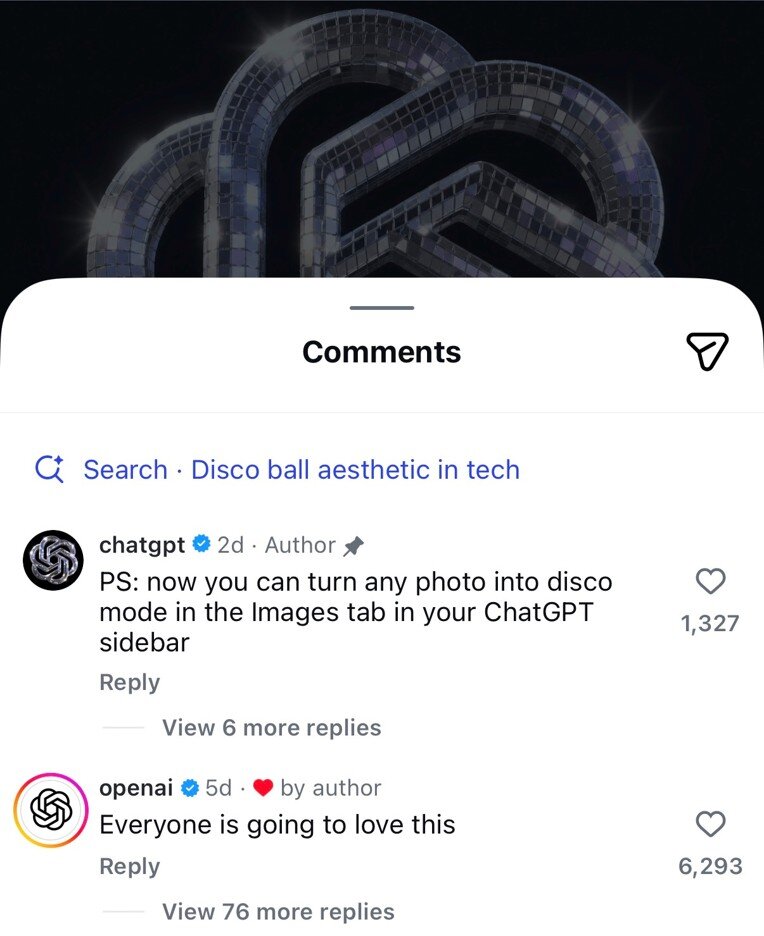
The undisputed winners of these trends were KitKat and Spotify. So how can other brands tap into these moments to actually create conversations? ChatGPT is a great example. They took the disco logo trend but added genuine conversational value for their users. Aside from simply updating their logo, they empowered users to use ChatGPT to turn any photo into "disco mode," allowing the audience to join the trend themselves.
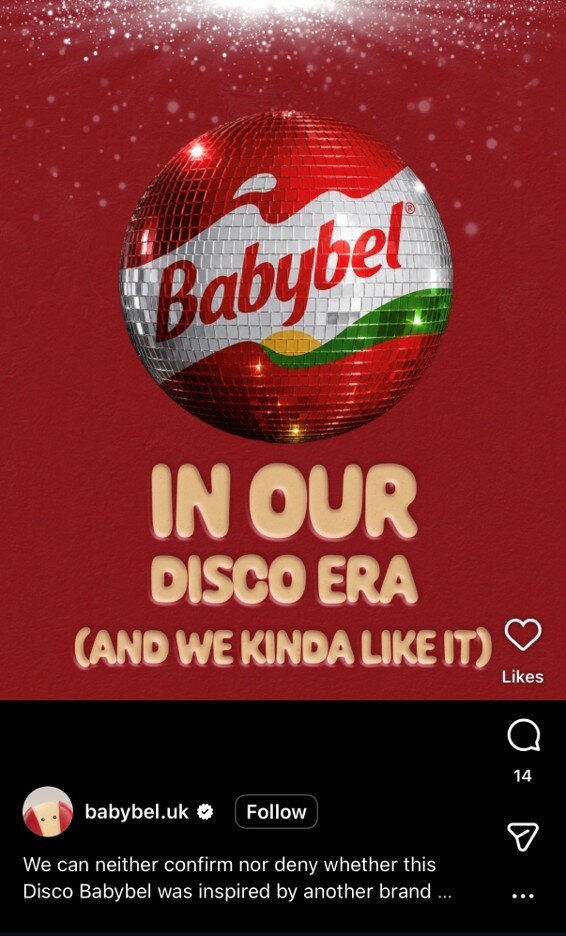
Other brands saw similar results: Babybel got 14 comments on their disco logo, KitKat got 0, Tony's Chocolonely got 65. While Babybel only received 14 comments for their disco logo, they are capable of much more. For example, they used the iconic shape of their cheese to cut into conversation when BTS was launching their new album, resulting in 683 comments.
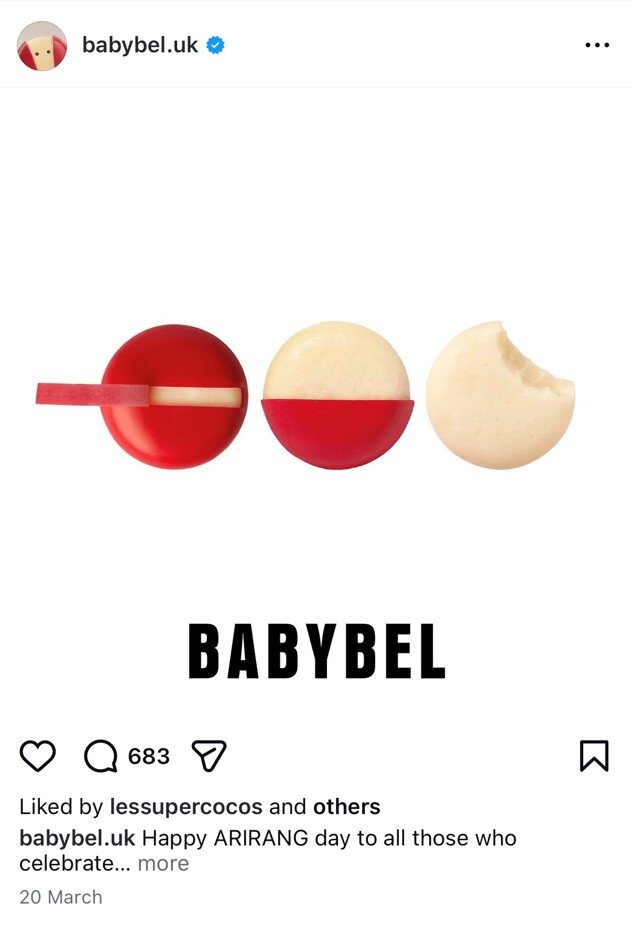
Brands should always have fun with trends, but we must remember that the audience should be the ones having the most fun. Don't isolate your consumers with content that only other marketers enjoy.
Pillar 3: Pushing genuine emotions
While evoking emotion is important, not all emotions carry the same weight. Are we creating genuine emotional connection, or are we simply chasing surface-level reactions, quick jokes and fleeting giggles that audiences forget the moment they scroll away?
It's easy to think it's just social media, that it's not so deep. But social media is the new television. Audiences today still want what audiences have always wanted: to feel something genuine and to connect emotionally with what they consume. Content that achieves this does more than generate views. It becomes relentlessly shareable.
A great example is the recent Lancôme Juicy Tubes campaign. To reintroduce the product, the brand leaned heavily into nostalgia, bringing back familiar faces from the early 2000s like Kelly Rowland, Hilary Duff, and Mischa Barton, while positioning Paris Hilton as the face on the PR boxes.
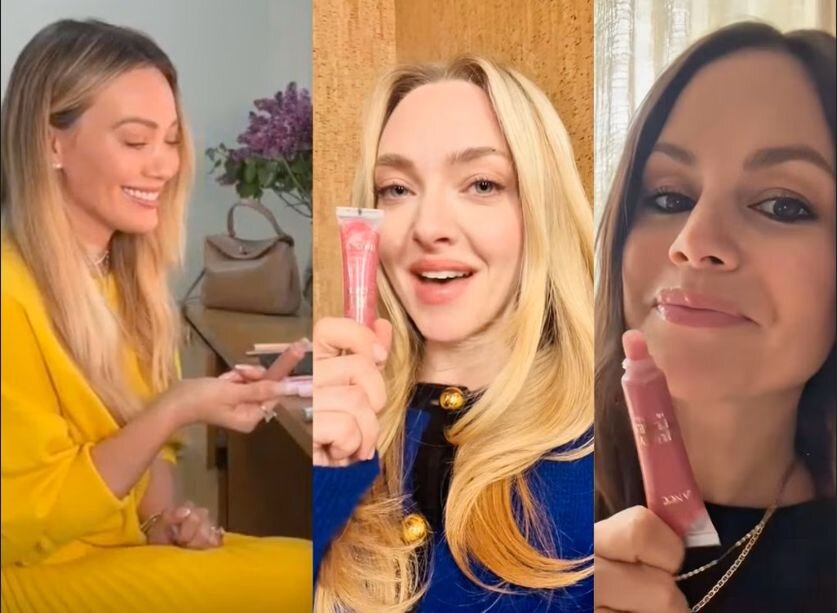

However, there was only one clear winner for the most shareable content of the campaign: Ed Westwick, who brought back his iconic character, Chuck Bass, from Gossip Girl, the ultimate crush of the 2000s. Girls everywhere were sending it to their friends who shared the same crush or had watched the show together, fangirling together over the video. That simple 63 second video sparked genuine excitement and joy. It became the most viewed piece of the campaign, with over 147 million views. In comparison, Paris Hilton's video, despite being the face of the PR kits, had only 7.6 million views.
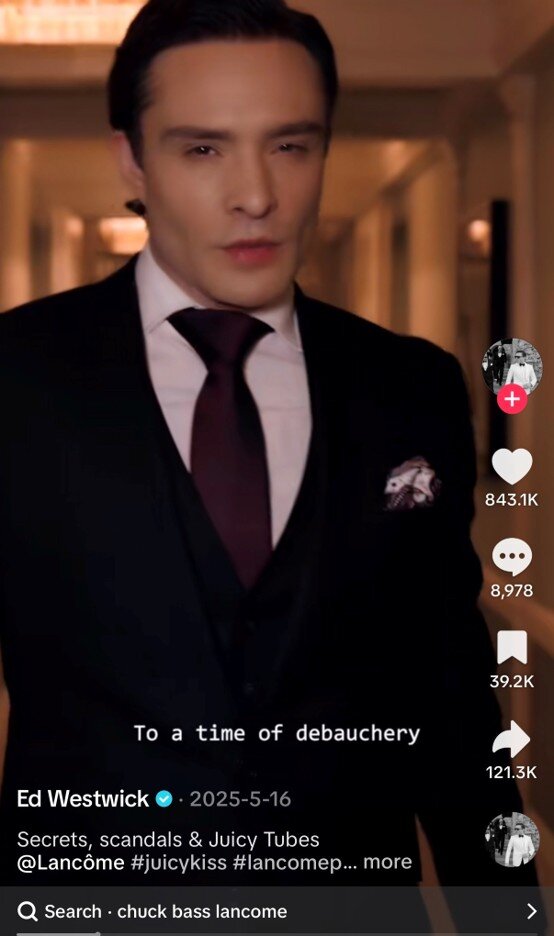
What makes this more impressive is the following count: Paris Hilton has over 12.1m followers on TikTok, while Ed Westwick has only 3.2m followers, proving it's not the number of followers or the star's status that matters most. It's the story and the right emotional connection. People don't just consume content anymore; they find moments to share with the people around them.
Influencers, celebrities, and platforms are not the strategy. They are the tools for your storytelling and creativity. The real foundation is the strength of the story itself and how deeply it resonates with the human experience.
Strategic implications for brands
Relentlessly shareable content is not just a creative bonus, but a strategic necessity. When the three pillars are executed well, authentic personality extension creates conversations and pushes genuine emotions. It stops being a one-way broadcast and becomes a chain reaction. Brands that understand this opportunity will naturally outperform those that only focus on what they want to say. These brands will be the trailblazers leading the new era of content.
To help marketers get closer to this goal, I put together a Relentlessly Shareable Checklist to review before posting the next piece of content:
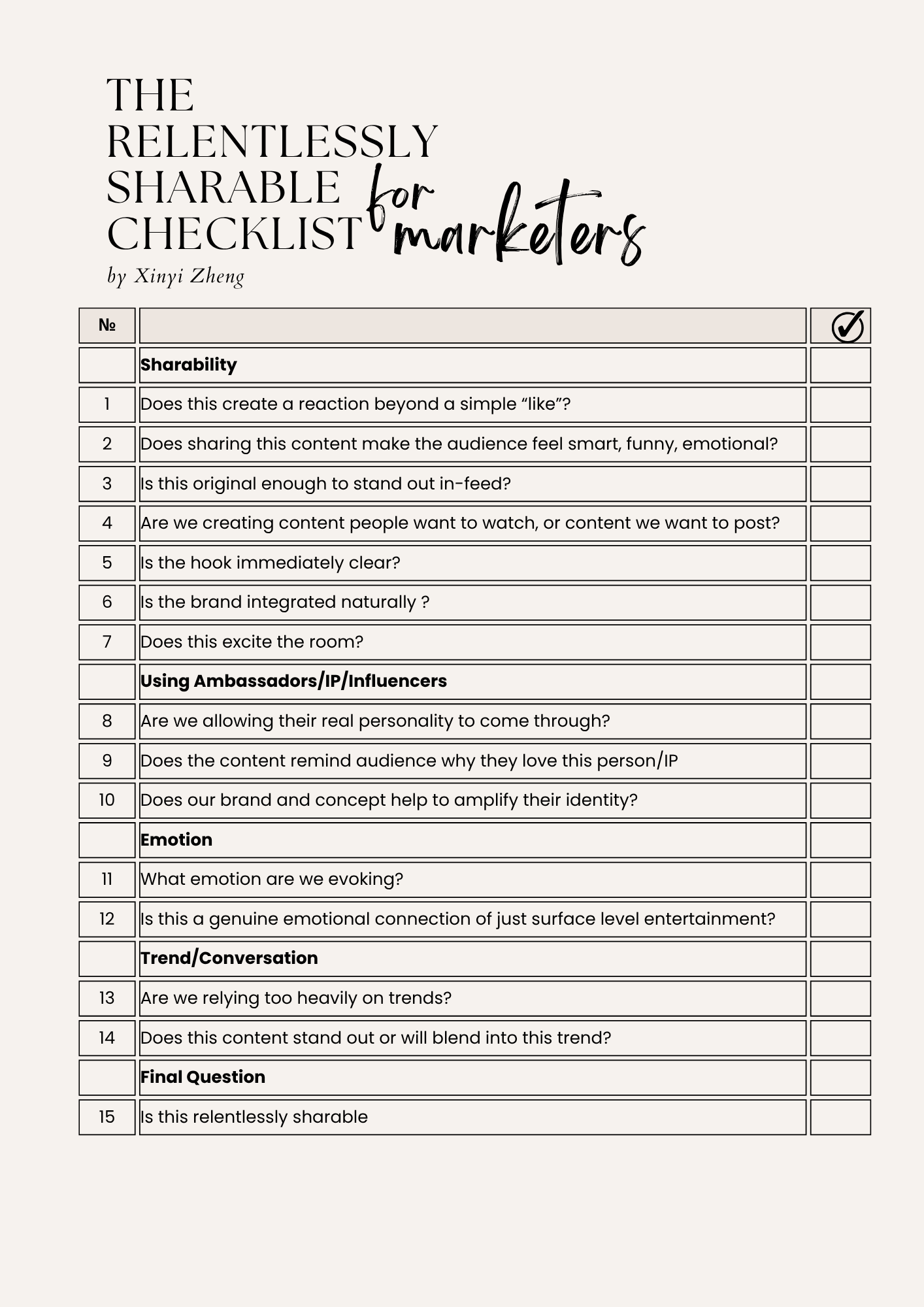
Want the hi-res version? DM me and I'll send it over.