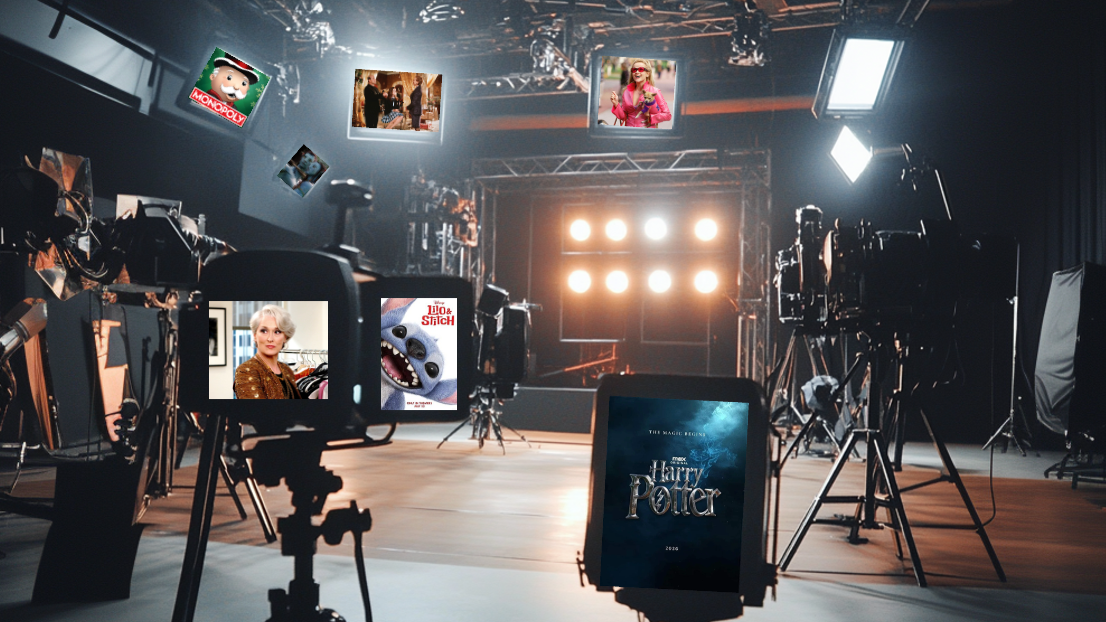
The big decisions made in studio executive boardrooms have made their way into what we see on our social feeds. 2024 was the year they announced multiple nostalgic sequels, reboots and the reinvention of beloved toy brands into shows.
Honestly, 10 fingers aren't enough to count the number of sequels and nostalgic icons on the horizon—I'd need a few extra hands!
From Devils wear Prada 2, to Legally blonde 2, Freaky Friday 2, Princess Diaries 3, Snow White Remake, The Lion King prequel, Harry Potter Reboot, SIMS, Monopoly, and so many many more. My mind has been blown countless times and it has gone from excitement to… oh another one, really?
According to IMDB there are 34 sequels or prequels releasing in 2025! And i believe there will be even more in 2026.
Is this a strategic business move or simply playing it safe? Are we investing in potential, or relying solely on data that guarantees an audience?
Seems we're no longer taking the bold game-changing risks that led to iconic creations. It was these daring leaps into the unknown that gave us classics like StarWars, Jurassic Park and more that were crafted from an entirely new ideas with no guarantee of success.
These choices also limit brands in the type of content they can partner with. However, sequels and remakes do make it easier for brands to predict outcomes and leverage existing data to determine if the IP aligns with their audience. From a business perspective, this approach simplifies partnerships for studios, making them more attractive and potentially boosting profits.
Even in fashion, the recent announcement that Louis Vuitton x Takashi Murakami Collab returns and will be bringing back the original collection - with a slight twist on 1st Jan 2025. I loved this collaboration but couldn't help but think are they just bringing it back because the original collection did so well and it's safe or is there just a lack of fresh creative options out there to collaborate with? Maybe both.
Perhaps the Gen Z and Gen Alpha fascination with the 2000s comes from a scarcity of defining original content in their own era. To discover their identity, they turn to the closest era rich in creativity and originality for inspiration.
Is this the side effect from boardroom demands for profits? Is pop culture currently in a stagnant phase? How long can we keep recycling the same ideas and re-living in the 2000s! At this stage I feel like i'm a teenager at the theatre all over again.
Might take some time or might just be tomorrow but when the right team finds the strength to take finally a risk or find an idea worthy of a big risk, I'll be here for it!